
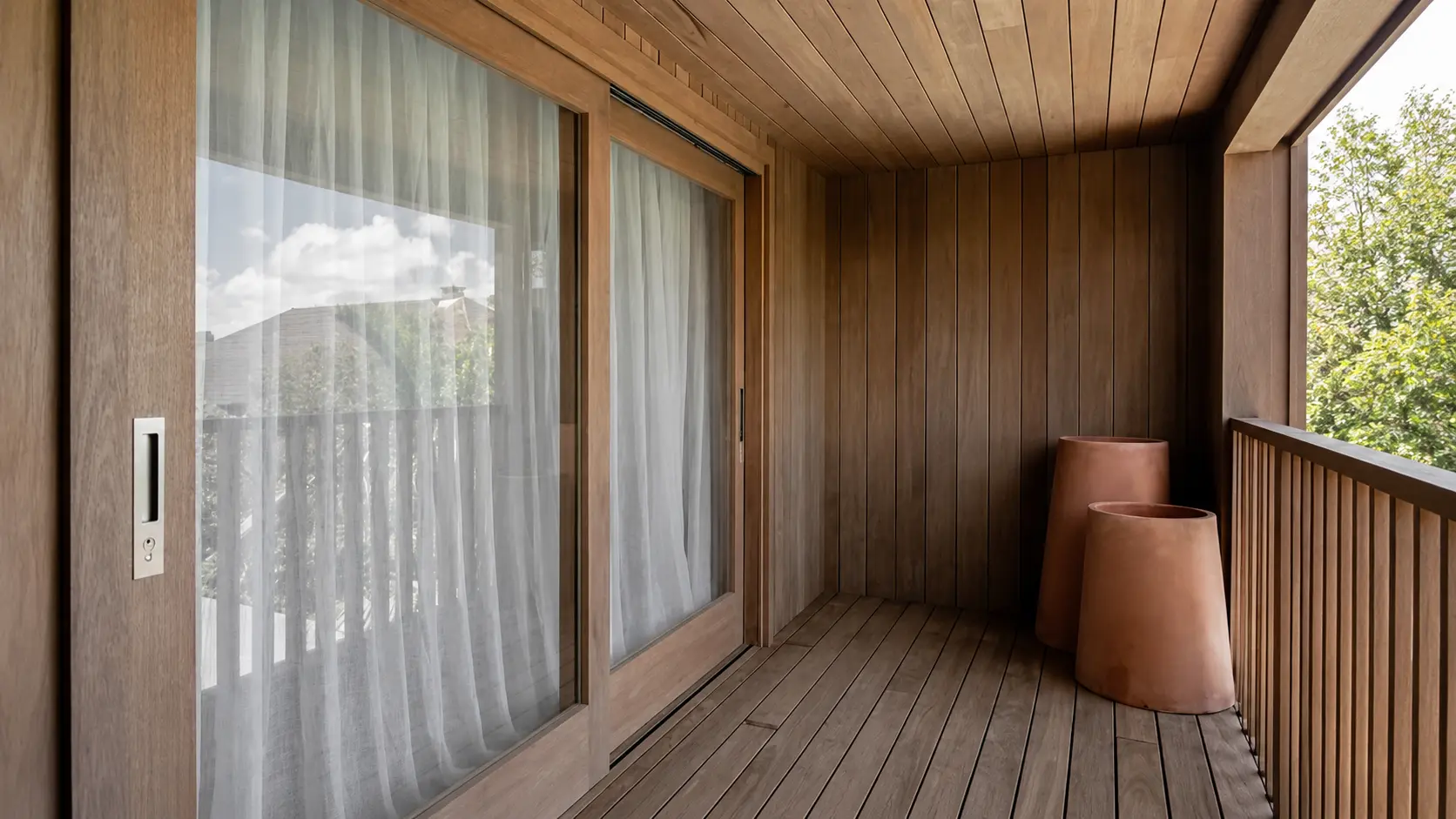
In coastal Sydney, where sun, storms and even bushfires can test your walls, cladding is like a tailored jacket for your house: it shields from the elements and looks sharp. Effective house cladding “shields your home from wind, rain, and sun, preventing moisture infiltration”. In other words, robust Wall Cladding in Sydney isn’t just eye-candy – it’s weatherproof armor and thermal buffer.
For you as a homeowner, think of cladding as an upgrade for your most valuable asset. It’s a one-two punch: the right material protects against heat, damp and pests, and transforms bland walls into talking points. (Ever entered a room and admired a chic feature wall? That’s the “wow” of good cladding.) In this guide, we’ll dig into how modern Wall Cladding Sydney not only extends the life of your home but also adds big style points. Along the way I’ll throw in practical tips and even a cheeky analogy or two – because learning about cladding should be as fun as picking a new paint color (almost!).
Sydney’s Climate & Why Cladding Matters
Sydney’s weather can be tough on homes. We’ve got blazing summer sun, salty coastal air, heavy rain and even bushfire-prone zones in the outskirts. Without a strong outer layer, walls can warp, rot or fade. That’s exactly why Wall Cladding Sydney plays a crucial role, as “in Sydney, where weather can be harsh, having reliable cladding is crucial”. Good exterior cladding keeps moisture out, holds insulation in, and prevents warping or termite damage.
In fact, almost all of Australia is “high to very high risk” for termites, so choosing termite-resistant cladding like metal, brick veneer or vinyl can reduce pest problems. Meanwhile, if you live near bushland, fire-safe materials are a must (bushfire regulations like AS3959-2018 ensure homes use suitable cladding). In short, cladding in Sydney is as much about survival as it is about style – it’s your house’s defense system, ready for sun, wind and the occasional PR spin, which is why Wall Cladding Sydney remains an essential consideration for homeowners.
- Weather Protection: Quality wall cladding creates a barrier against UV rays, rain and humidity. This means walls don’t get waterlogged or sun-bleached, which in turn reduces cracks, mold and paint peeling.
- Thermal Insulation: Many cladding materials (like timber or brick) naturally insulate. They help keep your home cooler in summer and warmer in winter, saving energy and keeping you comfy. Timber, for example, is “a natural insulator and maintains a constant temperature inside”.
- Fire & Pest Safety: In parts of Greater Sydney prone to bushfire, fire-rated cladding provides peace of mind. And because subterranean termites are pervasive (as noted in CSIRO research on pests in Australia, which highlights the widespread risk), non-organic cladding like brick or metal is a smart pick.
Durable Cladding Materials for Sydney Homes
Not all cladding is created equal. Here’s a roundup of top choices for Sydney homes, with a sprinkle of pros/cons that reflect the versatility of Wall Cladding Sydney:
- Timber Cladding (Hardwoods like Spotted Gum, Blackbutt): Always a stunner. Timber adds warmth and classic Aussie charm to your facade or interior. It performs well in sound absorption and insulation. A clever trick is the Japanese shou sugi ban charred finish – it looks trendy and actually boosts durability while repelling pests. However, timber does need some love: sealing or painting every 5–10 years to prevent rot or fading. (Think of it as maintaining your leather jacket: a bit of care keeps it looking sharp.)
- Fibre Cement (e.g. HardiePlank): A go-to for many Sydney builds. Made of cement, sand and cellulose, it’s extremely tough. Fibre cement “stands out… for its remarkable resistance to water, fire, and rot”. Designers love it because it can mimic wood textures or sleek panels. It’s low-maintenance – usually just an occasional wash or paint refresh. Ideal if you want the timber look without checking on it all the time.
- Brick or Stone Veneer: Old-school, but gold. Brick cladding is virtually bulletproof: pest-proof, fire-resistant and extremely long-lived. It also adds thermal mass, so your home stays cooler day-to-night. Real stone veneer brings similar durability plus natural elegance. The downsides? Brick/stone walls are heavy and usually need a strong structure. But in Sydney’s humid climate, they’re brilliant: they won’t warp or need repainting.
- Metal Cladding (Steel/Aluminium): Think Colorbond style panels and modern profiles. These are built for Aussie conditions – they resist rust (especially if powder-coated) and meet fire standards. Metal cladding is lightweight and sleek; it can reflect heat if light-coloured, helping with energy savings. Maintenance is minimal (an occasional rinse-off or a touch-up). Coastal Sydney homes often use steel because a salty breeze won’t corrode it easily.
- Composite & Vinyl: These man-made panels mix polymers and wood fibres. They’re termite-proof and designed for low upkeep. Composite cladding (like WPC) is very rot-resistant. Vinyl or uPVC is cheap and virtually maintenance-free (no painting!). On the flip side, composites can expand/contract with temperature, and vinyl may feel a bit “plasticky.” Still, for longevity and no fuss, they are solid exterior wall cladding solutions Sydney owners consider when maintenance is a worry, making them a practical part of Wall Cladding Sydney choices.
Behind each choice is durability: you’re essentially selecting your home’s “exoskeleton.” For example, using charred hardwood was a deliberate choice at a Bronte home’s renovation: the burnt timber cladding gave it both extra weather resilience and dramatic depth.
In Sydney suburbs from Manly to Marrickville, homeowners are mixing materials – perhaps a brick base for toughness, timber accents for warmth, and even vertical metal fins for a contemporary edge. The trick is picking a material suited to your site: seaside spots might lean metal or treated pine, bushy fringes might need higher Bushfire Attack Levels (BAL-rated timbers) or cement sheets.
Aesthetic Appeal: Timber Feature Walls & Interiors
Now let’s chat style. Timber cladding isn’t just exterior: inside, timber feature walls are skyrocketing in popularity, often becoming a standout element of Wall Cladding Sydney design. It’s like giving your living room a cozy sweater. Imagine a bedroom or lounge with one wall clad floor-to-ceiling in slim natural boards. Instant warmth and texture. Even ceiling panels (the so-called “fifth wall”) can section off zones without a divider. This trend isn’t a fluke – Australians adore natural textures. As one design writer puts it, the modern feature wall “is more about tone and texture,” echoing classic Queenslander or Federation home vibes.
Sydney’s interior designers play with pattern and grain. Vertical timber battens can make a room feel taller and airier; horizontal planks evoke a relaxed Hamptons or shiplap look. Rustic reclaimed wood, smooth oiled Tasmanian oak, matte black-stained cedar – the palette is huge. The benefits go beyond looks: timber feature walls absorb sound, making chatter less echo-y, and they naturally regulate humidity a bit (nice for comfort).
Here’s a quick example of how timber cladding flows into custom joinery: imagine a hallway lined in rich walnut panels; a built-in shelf and wardrobe are seamlessly clad in the same wood, the fixtures’ joinery hiding in plain sight. That’s bespoke joinery Sydney at work. Many high-end carpentry projects (think luxury renovations) use internal timber cladding and matching cabinetry so the whole space feels crafted, not pasted on. In effect, your wall cladding becomes part of the carpentry – a simple wall morphs into a statement piece, reinforcing the appeal of Wall Cladding Sydney in modern interiors.
- Timber feature walls: A trending focal point. They create a cozy, gallery-like effect – perfect for behind your TV, bedhead or sofa.
- Interior timber cladding: Often used in living rooms, hallways or even bathrooms (with treated wood). It adds a relaxed yet refined vibe.
- Match with joinery: High-end residential carpentry uses the same wood in built-ins, kitchen cabinets or shelving. This ties the room together so wall and furniture “speak” the same language.
Personally, I love when an architect or carpenter embraces these tricks. It’s like turning plain “wall space” into art. One stylist noted that well-placed timber paneling can make a modest Sydney flat feel like a designer loft. It harks back to the beach shacks and old Queenslanders (and no wonder – Aussies have been living in timber homes for generations). Today’s take is sleeker, but still very much a nod to that heritage.
Low-Maintenance Longevity
Let’s talk upkeep – after all, durability means little if maintenance torches your free time. In Sydney, material matters for how often you’ll climb that ladder. Here’s a simple snapshot:
| Material | Lifespan | Maintenance |
|---|---|---|
| Timber (hardwood) | 30–50+ years (if cared for) | Seal or paint ~every 5–7 years, check for wear. |
| Fibre Cement | 30+ years | Low – wash occasionally, repaint if needed. |
| Brick/Stone | 50+ years | Very low – just clean or re-point joints. |
| Metal (steel/alum) | 25–40 years | Minimal – rinse off salt/dirt annually. |
| Composite/Vinyl | 20–30 years | Minimal – hose down and inspect each season. |
Timber requires the most pampering. You might need to re-seal or paint it regularly to avoid grey weathering or rot. But the payoff is a forever-vintage look if you like that patina. Fibre-cement and metal are much more forgiving – they’ll happily sit there for decades with only an occasional clean or touch-up. For example, Colorbond steel panels can go 25+ years if not scratched. Composites and vinyl basically just need a good wash; they’re in it for the long haul.
Bottom line: pick your cladding like you pick your wardrobe – do you want “needs ironing every week” (timber jacket) or “wash-and-wear” (metal or vinyl)? Either way, Wall Cladding Sydney comes in options to suit your schedule.
Conclusion: Wrap-Up and Next Steps
We’ve covered a lot of ground: from Sydney’s harsh climate to timber-clad interiors. The main insight is that good Wall Cladding Sydney pays off on two fronts. It extends durability – shielding against weather, pests and fire – and boosts curb (and living-room) appeal. As one client told me after seeing his new fiber-cement exterior, “It’s like my house got a raincoat and a facelift at the same time.” And it’s true: a smart cladding choice can raise property value and make every guest do a double-take.
So what now? First, consider your priorities. Want minimal upkeep? Lean fiber cement, brick or metal. Craving warmth and natural vibes? Timber (perhaps a charred finish) is your friend – just plan for maintenance. Also, chat with certified builders or local architects (residential carpentry pros) who know Sydney’s codes. They’ll ensure your external wall cladding solutions Sydney meet bushfire and building standards, which is essential when planning Wall Cladding Sydney projects.
Whether you’re doing a full facade makeover or just adding an accent wall, think of it like tailoring an outfit for your home – one that’s sturdy yet stylish. And remember, you as the homeowner can choose the vibe: a pared-back modern look with monochrome panels, a cozy rustic feel with timber battens, or something in between. With the right cladding, your Sydney pad will not only stand up to what the Harbour City throws at it, but also turn heads for all the right reasons.
FAQs
1. What is the most durable cladding for Sydney homes?
In Wall Cladding Sydney, fibre cement and steel are highly durable options. They resist fire, moisture and pests. Brick and stone also last decades, while timber performs well with proper sealing and regular care.
2. Are timber claddings termite-resistant?
Timber is not naturally termite-proof. In Wall Cladding Sydney, treated hardwoods or termite barriers help reduce risk. Materials like metal, brick veneer or vinyl offer stronger resistance against termites.
3. How often should exterior cladding be maintained?
Maintenance depends on the material. In Wall Cladding Sydney, metal and fibre cement need minimal upkeep, while timber usually requires sealing or repainting every 5–10 years to maintain durability and appearance.
4. Can wall cladding improve insulation?
Yes, cladding can improve insulation. Many Wall Cladding Sydney systems include air gaps or layers that help regulate indoor temperature, keeping homes cooler in summer and warmer in winter.
5. Do I need council approval for cladding in Sydney?
For most Wall Cladding Sydney projects, approval is required when altering external structures. This ensures compliance with building codes, fire safety standards, and local council regulations before starting work.
