
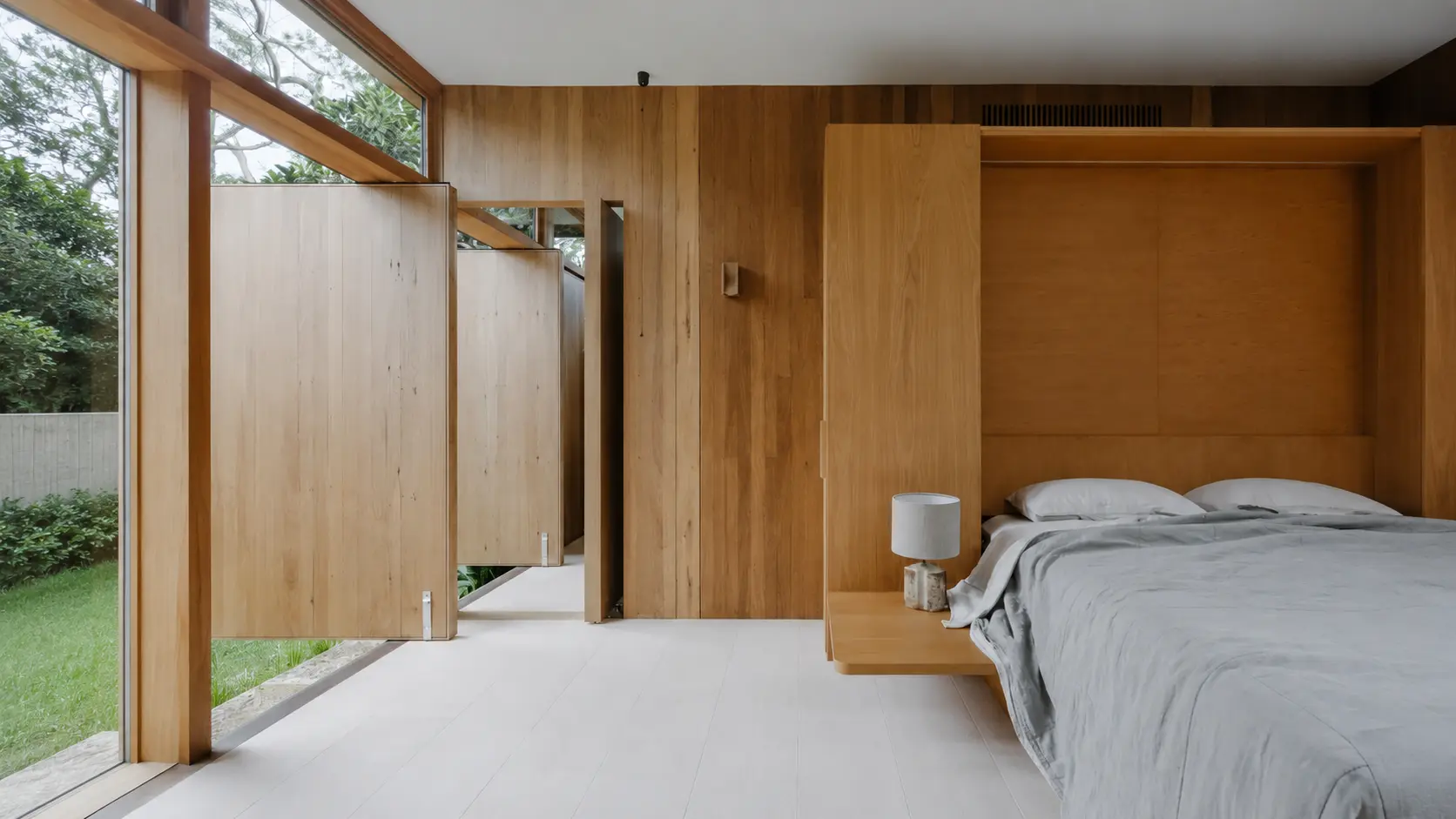
The Rise of Timber Feature Walls Sydney
Step into a Sydney living room today and you’ll often notice one striking detail – a wall clad entirely in rich, warm timber. It’s not just a design trend; Timber Feature Walls Sydney are redefining how modern interiors feel and function. These walls add instant warmth and personality, transforming ordinary spaces into cosy, stylish retreats.
Experts agree that timber feature walls are “more than a decor fad – they’re a way to bring organic warmth, texture and personality into modern spaces.” Across Sydney, homeowners and designers are embracing this shift. From sleek inner-city apartments to bright harbour-side homes, timber walls introduce a natural narrative that feels both grounded and contemporary.
Design magazines and architects highlight that the popularity of Timber Feature Walls Sydney connects strongly with biophilic design – a concept that brings nature indoors – along with the revival of mid-century aesthetics. After years of plain white interiors, people now want texture, contrast, and spaces that feel lived-in. A timber wall delivers exactly that balance, acting as either a subtle backdrop or a bold statement piece.
Why Timber Feature Walls Sydney Stand Out: Key Benefits
Timber feature walls are not just visually appealing – they offer real, practical advantages that suit modern Sydney living.
Key Benefits at a Glance
- Natural Warmth & Comfort:
Timber tones and grains create a welcoming atmosphere, making your home feel relaxed and inviting. - Rich Texture & Visual Interest:
Even a simple timber slat design adds depth and breaks the monotony of flat painted walls. - Sustainability:
Responsibly sourced or reclaimed timber makes Timber Feature Walls Sydney an eco-conscious design choice. - Durability:
Hardwoods like Jarrah or Blackbutt are strong and long-lasting, ensuring your feature wall stands the test of time. - Improved Acoustics:
Timber absorbs sound, helping reduce echoes — perfect for open-plan homes and apartments. - Design Flexibility:
From coastal styles to modern urban interiors, timber adapts easily to different design themes.
These benefits explain why Timber Feature Walls Sydney have become such a strong presence in interior design. They blend natural beauty with functionality, perfectly matching Sydney’s indoor-outdoor lifestyle. As many design experts note, a timber wall doesn’t just enhance how a space looks — it improves how it feels to live in it.
Hot Styles and Trends for Timber Feature Walls Sydney
The fun part? There’s no one “right” way to do it. Sydney designers are experimenting with all kinds of wood walls. Here are some trending looks:
- Vertical Battens: Slim timber slats running floor-to-ceiling create height and a modern, rhythmic texture. Think Scandinavian or industrial loft – this style is huge in chic Sydney showrooms.
- Horizontal Planks: Classic beach-house vibes are back. Wide horizontal boards (e.g. painted crisp white or natural cedar) evoke Hamptons and coastal style. They visually widen a room and blur indoor/outdoor lines.
- Wide Timber Boards: Go bold with extra-wide planks (200mm+). This European-inspired look feels open and minimalist, perfect for contemporary Sydney interiors.
- Battened Ribbed Panels: Closely spaced battens (or spaced far apart) give a textured “ribbed” wall. This Scandi-chic trend often pairs beautifully with matte black metal accents in a modern home.
- Geometric Patterns: Mix-and-match planks in chevrons, herringbone or even 3D cube patterns turn your wall into art. For example, a Sydney cafe used varied square panels floor-to-ceiling for a real wow factor.
- Painted or Colored Panels: Not all timber walls stay timber-colored. Painting boards or battens in matte navy, forest green, or chalky white adds texture without worrying about wood grain. Even an all-white slatted wall packs visual punch thanks to the wood’s depth.
- Reclaimed Wood Walls: Old hardwood floorboards, barn timber or scaffolding planks are prized for character. Each piece often has weathering and nail holes that tell a story. Sydney renovators love reclaimed timber for a rustic, sustainable vibe.
- Ceiling Cladding: Why stop at walls? Timber-clad ceilings continue the paneling overhead for a cocooning effect. This dramatic move (inspired by boutique hotels) envelops a room in warmth.
- Feature Entry Walls: If a full-room wood wall feels like a commitment, try it on your entry or in a hallway. It’s a smaller dose of drama that still impresses visitors instantly.
These trends show the sky’s limit. Your Timber Feature Wall Sydney style can be subtle slats or eye-catching patterns – whatever suits your taste and space. (As one decorator jokes, it’s like choosing a statement belt for your outfit. You decide if it whispers or shouts.)
Choosing Timber & Materials: What Works in Sydney?
Picking the right wood is key. Climate matters: Sydney can be humid in summer and dry in winter. Native Australian hardwoods are popular for interiors because they’re beautiful and built for this weather. For example:
| Timber | Look & Tone | Qualities/Uses |
|---|---|---|
| Blackbutt | Creamy to pale brown | Extremely tough and stable, with natural fire and pest resistance – great for modern or rustic styles. |
| Jarrah | Rich reddish-brown | Iconic Aussie hardwood: very hard and decay-resistant, with deep warm tones for a luxe backdrop. |
| Spotted Gum | Varied brown/grey | Striking dynamic grain; exceptionally durable – ideal for heavy-use feature walls. |
| Ironbark | Yellow-red to deep red | Rock-hard and dense; one of the hardest native woods – perfect for high-traffic or rugged areas. |
| Pacific Teak (Iyankeri) | Golden-brown | Naturally oily and moisture-resistant; brings a tropical sheen – good for humid spots like kitchens or bathrooms. |
| Tasmanian Oak | Light straw to honey | Straight grain and fairly light color; stable and bright – great for a clean, minimalist look. |
Each timber has its own vibe. Spotted Gum’s variegated grain“stands the test of time,”while Jarrah’s burgundy reds add instant warmth. If you’re after drama, charred black timber (Shou Sugi Ban style) is a strong trend too, giving a sleek, textural finish.
Sustainability note: reclaimed or certified woods help reduce environmental impact. According to the Australian Government’s YourHome guide, natural materials like timber can also improve energy efficiency and reduce a home’s environmental footprint when sourced responsibly.
Also consider engineered timber panels or veneers for extra stability. A veneered board (wood on plywood) resists warping better in Sydney’s humidity swings. They limit refinishing but can be practical for large walls.
Finishes matter too. Many products come pre-finished with protective coatings, or you can oil/stain them yourself. As one DIY tip from experts says: finish the back of each board before installation to seal it. Choose a stain or paint that complements your furniture and décor. Light golden oaks can brighten a small room, while dark charred ash can make a bedroom feel like a cozy cabin.
Installation & Care: DIY Tips and Tricks
Putting up a timber wall is a bit of a tall order – but not impossible if you plan right. You could try it yourself, but many Sydney homeowners call in a residential carpentry pro or a high-end joiner for a flawless result. If you go DIY, keep these pro tips in mind:
- Prep the substrate: Ensure your wall frame (studs/battens) is straight and spaced correctly. For example, thin 9mm battens can be fixed on studs every ~450mm, heavier panels on 600mm centers. Plaster walls should get new battens so screws bite.
- Glues and nails: Use both construction adhesive and nails. Glue each board to the framing before nailing to prevent squeaks and movement. Many panel profiles allow hidden “secret” nail fixes through tongues for a clean face, or use very fine finishing nails and fill holes.
- Mind the gaps: Wood swells and shrinks. Leave a small expansion gap (5–8mm) at floor and ceiling, especially on vertical runs. Start the first board squarely at a corner and use a level often. If your walls aren’t square, trim that first plank to align the run.
- Finish edges: Glue-clamp the end boards or stop them behind trim for invisible seams. Consider adding matching joinery trims for a polished look.
- Safety first: Wear eye protection and a mask when cutting. Ventilate well when using adhesives or stains. (Also note: if your wall is load-bearing or in a bushfire zone, check local codes. Generally, interior timber panels are non-structural.)
- Finish coats: Painting or staining can be done before or after fixing. Waterborne paints won’t raise the grain. Multiple thin coats beat one thick coat to avoid drips.
- Maintain humidity: In Sydney’s summer humidity, run the air-con to keep the room around 30–60% RH – this limits wood movement. Avoid extreme moisture (e.g. splashes); if the wall is in a kitchen or bath, choose a moisture-resistant species (like Pacific Teak or Ironbark) and seal it well.
Once installed, caring for your timber wall is easy. Dust it regularly with a soft cloth or vacuum brush; avoid harsh chemicals. If scratches or dents appear, you can sand and re-stain the spot (solid wood is easy to refinish). A good finish ages gracefully – a Tasmanian Oak wall, for example, might warm from golden to amber over time. In short, a well-made timber wall becomes a living piece of decor that improves with age.
Furniture Makers & Carpentry: Local Sydney Craft
What ties it all together? The rest of your wood furnishings. In Sydney, a vibrant community of timber furniture makers and joinery craftsmen ensures that benches, shelves and accents echo the feature wall’s character. For instance, many Sydney-based furniture makers are known for crafting custom timber pieces – think dining tables and media units that match the warmth of a wood-paneled wall. High-end carpentry firms (like the custom joiners behind many luxury renovations) often design feature walls in harmony with built-in cabinetry, bars or wine cellars.
A real-life example: North Shore renovators hired Blackwood Carpentry to craft a reclaimed wood accent wall. It “became a focal point in the living room. Its rich grain patterns added warmth and character,” the homeowner noted. That testimonial praised the carpenters’ attention to detail and how the wall “enhanced [their] home’s aesthetic”. Such projects show how Timber Feature Walls Sydney can raise the style bar: they integrate seamlessly with custom timber joinery and furniture, creating a cohesive, high-end look.
If you’re considering this trend, check out local Sydney suppliers and artisans. Timber specialists like Mortlock and CedarBespoke offer interior cladding products (Trendplank, Satinplank, etc.) designed for feature walls. Local furniture makers and residential carpenters can create bespoke shelving or media units that align with your wall. The goal is a unified scheme: wood-look floors or furniture can echo the wall’s tone, turning the whole room into a curated space.
Conclusion: Time to Make Your Wall Talk
Timber feature walls are not just a passing craze in Sydney – they’re a lasting design direction. By infusing natural material and texture, they turn ordinary rooms into lively, character-filled spaces. We’ve seen how these walls add warmth and style (and even acoustic calm). We’ve explored the latest Sydney trends (from vertical slats to painted panels), and how to choose timbers that suit our climate and decor.
Whether your style is coastal, urban-industrial or minimalist, there’s a timber feature wall to match. So, what are you waiting for? Maybe it’s time to give that plain lounge wall some personality. Chat with a local joiner or furniture maker about a bespoke wood wall, or even start a DIY project for a single accent. Either way, one thing’s certain: in 2026 Sydney homes and offices are shouting loud and proud that wood is the hero of interior design. Embrace the warmth and let your wall make the statement.
Frequently Asked Questions
1. What exactly is a timber feature wall?
A timber feature wall is one wall of a room covered with wood panels or battens to create a warm, textured focal point. It instantly adds natural character and coziness to the space.
2. Why use a timber feature wall in my home?
Because it infuses your space with warmth, texture and personality. Timber walls act as a living accent – they add visual interest, improve acoustics, and make rooms feel more inviting.
3. What types of wood work best for feature walls?
Durable hardwoods are popular. In Sydney, natives like Blackbutt, Jarrah or Spotted Gum give beautiful grain and strength. Moisture-resistant species (Ironbark, Pacific Teak) suit humid areas. You can also use engineered veneer panels for stability in varying humidity.
4. How do I maintain a timber feature wall?
Keep it simple: dust weekly with a soft cloth or vacuum brush. Wipe spots with a damp cloth (mild soap if needed). Control indoor humidity (30–60%) to minimise wood movement. If scratched, light-sand and re-oil or stain the spot. A well-finished timber wall is very low-maintenance.
5. Can I install a timber feature wall myself?
Yes, with the right prep and tools. Proper framing, expansion gaps, and glue + nails are key. For a perfect finish in a high-end home, many Sydney locals hire a residential carpenter or joiner. But handy DIYers can take it on as a custom project too.
