
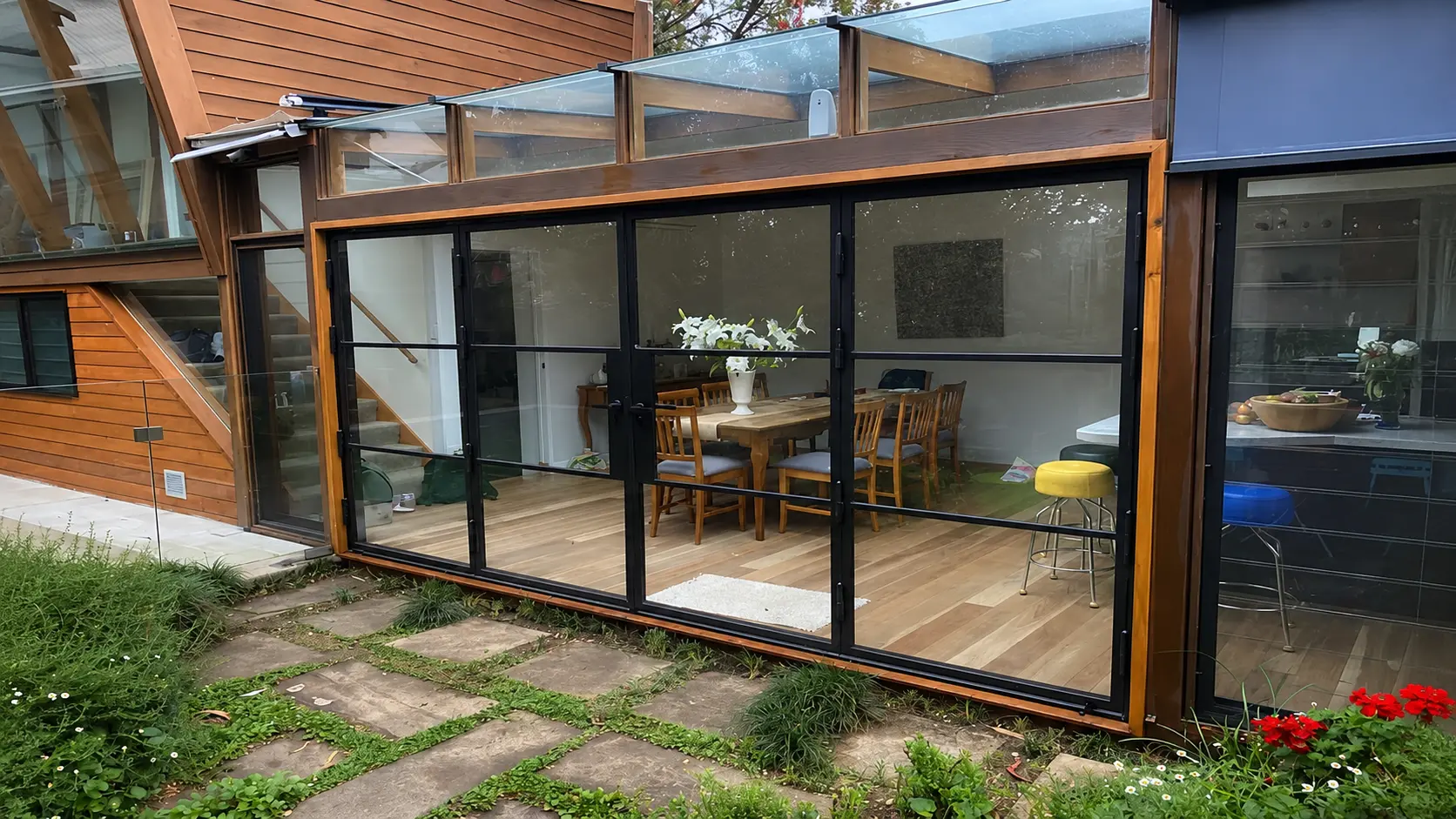
Ever notice the roof above your head pulling triple-duty? It shields you from storms, holds its shape in the sun, and needs to look good too. In Sydney’s weather – from intense heat to coastal winds – Structural Roofing in Sydney isn’t just a covering, it’s a protective system. This approach uses reinforced framing and durable materials so your home stays secure for decades. Some design standards even aim for a 50-year roof lifespan. Think of structural roofing as strength combined with smart design.
Sydney’s iconic Sydney Opera House highlights how roofing can combine structure and style. Its engineered shell design shows that roofs can be both durable and visually striking. Across the city, many homeowners are rethinking their roofs, making careful planning essential. Structural roofing Sydney must handle fire safety, strong winds, and summer heat, while still matching the home’s appearance. With the right balance, Structural Roofing in Sydney delivers long-term performance without compromising on style.
What is Structural Roofing, and Why It Matters in Sydney
“Structural roofing” simply means a roof built extra-strong – it’s basically a reinforced skeleton (engineered steel or timber trusses) plus tough outer material. In practice, sheet metal panels or heavy tiles are nailed onto a frame of beams and purlins. For example, many builders use engineered timber rafters or light-gauge steel frames that won’t warp or sag under load.
The goal? The roof won’t buckle in a storm or burn in a bushfire. Indeed, structural roofing systems in Sydney often meet multiple Australian Standards Codes like AS/NZS 1170.2 (wind loads) and AS 4055 (wind zones) force designers to add extra bracing, straps and clips so roofs stay anchored. In high bushfire areas, AS 3959 dictates fire-resistant tiles and sealed vents to stop embers. So it’s not just random beefing-up – structural roofing Sydney means meeting strict rules so homes survive.
Key features of structural roofing:
- Reinforced framing: Engineered timber beams or steel trusses sized for heavy loads. This prevents sagging or collapse (especially under a heavy tile roof or a hailstorm). It also resists termite/rot damage.
- Robust materials: Corrugated steel, concrete or terracotta tiles, or heavy membrane systems. These materials protect against rain, heat, fire and critters.
- Extra fixings: Wind clips, straps and galvanized fasteners keep things locked down in high winds or seismic zones.
- Aerodynamic shape: A hip roof or skillion roof can reduce wind uplift, unlike a flat gable which can get ripped off in storms.
- Sarking and sealing: Reflective foil underlay (sarking) and sealed joints add insulation, moisture barriers, and ember protection.
These features (each a “structural roofing” element) ensure your roof meets Sydney’s harsh conditions. The table below shows how key elements work together for safety and durability:
| Element | Material/Design | Benefit |
|---|---|---|
| Roof Material | Colorbond steel or concrete/terracotta tiles | Shields from rain, sun, debris and fire. Durable, non-combustible panels. |
| Roof Framing | Engineered timber or steel trusses | Keeps roof from sagging. Stiff, termite-proof framing ensures stability even in storms. |
| Roof Shape | Hipped or skillion form | More aerodynamic than flat gables. Wind passes over more smoothly, reducing uplift risk. |
| Fasteners & Tie-Downs | Cyclonic roof clips, straps, galvanized screws | Secures roof to walls. A heavy-duty tie-down system anchors the roof during extreme winds. |
| Sarking & Sealing | Reflective foil underlayment, sealed flashings | Moisture barrier and insulation. Keeps out heat and water, and prevents ember intrusion in bushfires. |
Each of these choices is part of the structural roofing Sydney puzzle – you need them all to truly balance durability with safety.
Building for Durability: Materials and Design Choices
Long-lasting roofs start with the right materials. In Sydney’s climate, colour-coated steel (like Colorbond) is very popular. It’s lightweight yet durable – it won’t warp, crack, or attract termites. Experts note that painted steel roofs can reduce summer heat thanks to reflective coatings. Steel sheets are also quick to install, offering a strong strength-to-weight ratio. However, they can dent under impact, and poor installation may lead to leaks. That’s why Structural Roofing Sydney focuses on thicker panels and secure fastening systems.
Under the surface, the roof frame plays a big role. Timber and steel are the main options. Timber offers flexibility and a classic build style, while steel provides higher strength and resists bending. In both cases, designs must meet Australian standards and wind ratings, using proper bracing and fixings. Many modern Structural Roofing Sydney projects also combine structure with style by exposing timber elements inside.
For the outer layer, Sydney homes often use:
- Metal sheets: Long-lasting, lightweight, and suited for changing weather conditions.
- Concrete or clay tiles: Durable and fire-resistant, but heavier and need strong framing.
- Slate or synthetic slate: Elegant and long-lasting, though expensive.
- Membrane roofing: Ideal for flat roofs, offering a clean, modern look.
- Zinc or copper: Premium options with strong corrosion resistance and unique finishes.
Here’s a quick comparison:
| Material | Lifespan | Key Benefits | Considerations |
|---|---|---|---|
| Colorbond steel | 40–50+ years | Lightweight, strong, energy-reflective | Can dent, requires proper sealing |
| Concrete/Clay Tiles | 50+ years | Fire-resistant, classic look | Heavy, brittle under pressure |
| Zinc/Copper | 50–100+ years | Durable, corrosion-resistant, unique finish | Expensive, expands with temperature |
| Composite Shingles | ~30 years | Lightweight, aesthetic flexibility | Quality varies, moderate durability |
| Membrane roofing | 20–30+ years | Modern look, good for flat surfaces | Needs proper drainage and maintenance |
Durability also depends on waterproofing. Sarking (underlayment) is essential to prevent moisture damage. Roof design must allow proper drainage, and all joints, vents, and skylights should be sealed with durable flashings. These small details extend the life of the entire system.
In the end, Structural Roofing Sydney is about smart material choices, solid framing, and careful detailing – all working together to create a roof that lasts for decades.
Safety First: Building Codes and Storm Resistance
Safety is non-negotiable. A structurally sound roof must protect lives and property, and Sydney’s building regulations reflect that. Wind plays a major role. Updates to AS 1562.1 and related standards make compliance essential for new builds. These rules define fastening methods, material quality, and expansion control. Ignoring them can lead to project delays or insurance issues if damage occurs.
In practice, a structural roof uses multiple connectors: steel straps, hurricane clips, and anti-uplift screws along ridges. Builders may also install walkways on metal roofs to prevent damage during maintenance. Dissimilar metals must be separated to avoid corrosion. These details ensure your roof resists leaks, rust, and storm damage.
Fire safety also shapes roofing choices. Sydney’s bushfire codes may require ember guards, non-combustible materials, or modified designs in high-risk areas. Sometimes, even gutter styles change to meet safety rules. Structural roofing in Sydney ensures the roof isn’t the weak link when conditions get extreme.
Wind resistance matters everywhere. Standards like AS/NZS 1170.2 guide how roofs handle uplift forces. Proper bracing and secure fixing prevent failures during strong gusts. Aerodynamic shapes and well-fitted trims also help reduce wind pressure.
Maintenance still plays a key role. Inspect your roof twice a year, especially after storms. Check fasteners, flashings, and debris build-up. Small issues can quickly turn into serious damage if ignored. Regular care helps your roof stay strong and perform as designed.
Styling Your Roof: Aesthetics and Trends in Sydney
Yes, safety and durability are non-negotiable – but who says your roof can’t turn heads? In Sydney’s design scene, the roof is now a fashion statement. Roofs are trending modern and minimalist: clean lines, neutral palettes, with eye-catching accents. Homeowners lean toward charcoal greys, soft beiges or earthy browns that suit both old and new homes. A pop of colour – like a deep green skylight frame or bold trim – adds flair.
For inspiration, think of iconic white-sail forms or a chic terrace with a matte-black roof. Design freedom is high: mixing textures is popular (for example, slate tiles with corrugated steel creates contrast). Many also match gutter and fascia colours to define the roof shape neatly, or choose ‘cool roof’ coatings for better energy performance.
Contemporary roof shapes also boost appeal. Flat or skillion roofs allow space for rooftop gardens or solar panels. Even a raised ridge or cantilevered eave can stand out. Some homeowners add subtle LED lighting under eaves to highlight the roof at night.
High-end renovations often let carpentry shine. Exposed timber rafters or refined joinery details can turn a roof into a design feature. This is where residential carpentry meets design – aligning ceiling panels with roof pitch creates a cohesive look. In short, structural roofing Sydney isn’t just functional; it can elevate your home’s entire aesthetic.
Craftsmanship Below the Shingles: Carpentry and Renovation Tips
When planning a residential renovation, remember the roof is a team effort. It’s not just roofers up top; carpenters and joiners play a crucial role. For example, before the roof goes on, a carpenter frames the entire structure. This residential carpentry must be precise: rafter lengths cut exactly, trusses assembled square, and bracing nailed in tight. In Sydney’s moisture-prone East, a carpenter might also coat or treat exposed timber with termite-resistant varnish.
If you’re upgrading the roof, “internal carpentry” steps in too. Imagine installing a new hip roof that creates attic space – now you’ve got a raw ceiling that needs finishing. An internal carpenter might line the ceiling with tongue-and-groove timber or build loft storage, turning a structural cavity into a usable room. Similarly, when structural roofing changes roof height or pitch, trim and mouldings must be refitted inside. Skilled high-end carpentry ensures these joins look seamless.
Here are some carpentry tips for structural roofs:
- Check your ridge and wall plates: These members must be level and aligned, or everything will be off.
- Use treated timber: In Sydney’s salty air, choose stress-grade timber for frames to resist corrosion.
- Seal fastener holes: After bolting straps and screws, seal them to prevent water ingress and wood rot.
- Coordinate trades: Make sure roofing crews and interior finishers communicate. For instance, skylight framing must be precise so interior trim sits flush.
Ultimately, a well-crafted roof hinges on quality joinery at every step. A thorough, detail-focused approach can make the difference between a flimsy roof and one that behaves like a solid vault. It’s that attention to detail that balances durability, safety and beauty.
Conclusion
Balancing durability, safety and visual appeal in structural roofing isn’t a wish-list fantasy – it’s achievable with the right choices. In Sydney’s setting, that means selecting resilient materials (like Colorbond or concrete tile), following local standards (AS 1562.1, AS 2050, AS 3959), and ensuring precise structural design. It also means letting your personal style come through with colours, roof shapes and textures that suit your home.
When planning Structural Roofing Sydney, think beyond protection – think long-term value and comfort. A well-built roof is an investment that pays off in peace of mind, letting you enjoy your space knowing everything above you is built to last..
FAQs
1. What makes a roof “structural”?
A structural roof uses reinforced framing (steel or engineered timber) and strong cladding, designed per codes (like AS 1562.1) so it won’t sag, leak or blow off.
2. Why invest in structural roofing during a residential renovation?
In a renovation, upgrading to a structural roof means your new roof will last decades. It adds resistance to storms, fire and termites, and can improve insulation and home value.
3. How long should a properly built roof last?
Local standards often call for a 50-year design life on roofs (for elements that can’t be replaced easily). With good materials and maintenance, many Colorbond and tile roofs easily last 40–50 years or more.
4. What role does carpentry play in roofing?
Carpentry is key: from framing the roof to finishing the attic or eaves. Skilled timber joinery ensures the frame is straight and strong, and that interior finishes (ceilings, trims) line up neatly with the new roof shape.
5. Do roof styles affect home value?
Absolutely – curb appeal counts. A modern, well-chosen roof colour and profile can boost street appeal. (Over 60% of Sydney homeowners plan roof upgrades for aesthetic reasons.) Just be sure any style choices still meet safety codes.
