
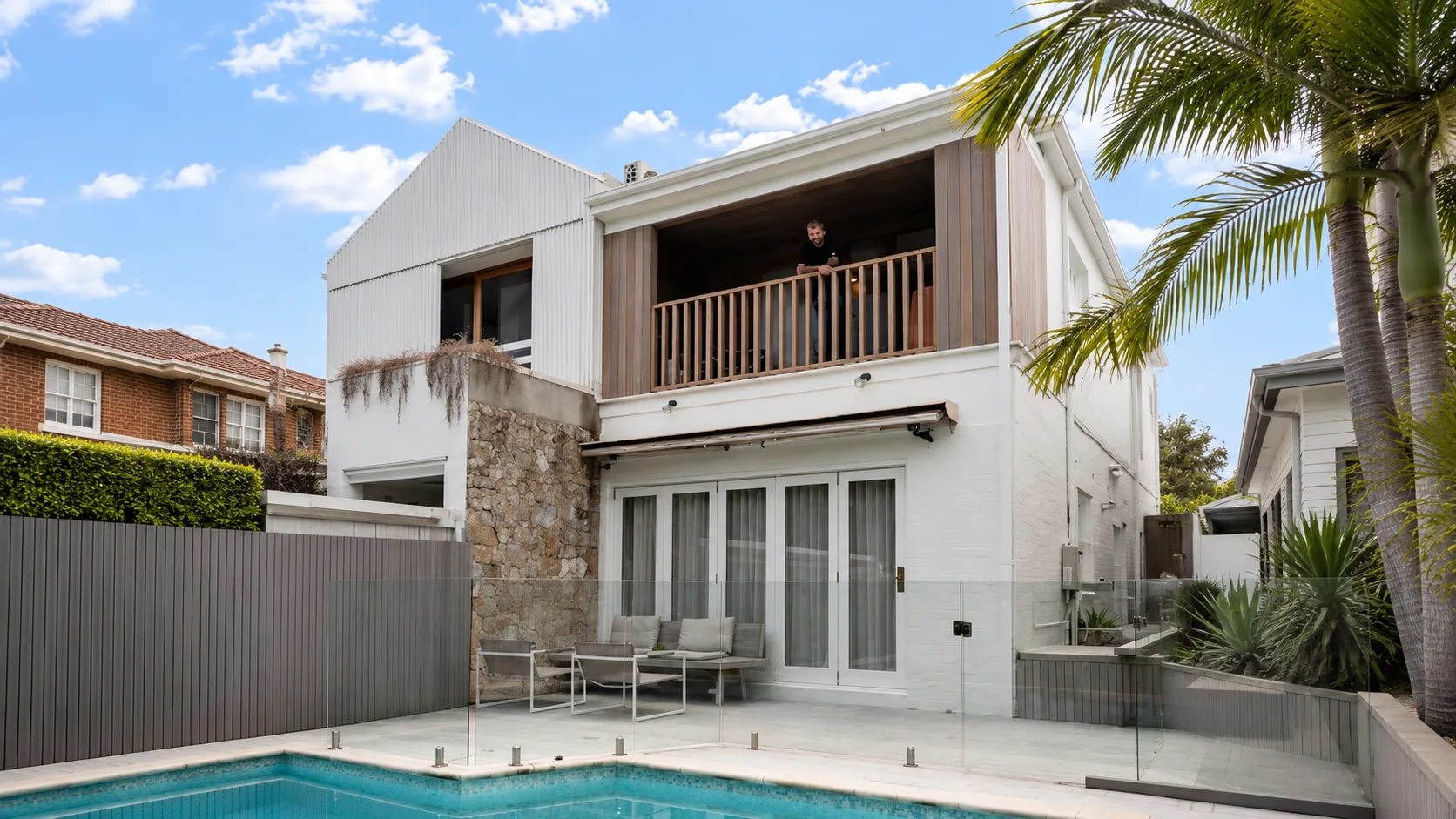
Planning home upgrades requires more than visual appeal. In Residential Renovations in Sydney, the real value comes from combining practical design with high-quality carpentry. Many homeowners renovate to improve comfort or update the look of their space, often overlooking how well-planned carpentry can also enhance long-term property value and efficiency.
Sydney homes frequently face space limitations, making functional design essential. Carpentry solutions such as engineered timber flooring, custom kitchen islands, and built-in shelving improve both usability and layout without increasing the home’s footprint. These elements support better organisation, smoother movement through spaces, and consistent finishes across rooms.
Quality carpentry also contributes to durability and long-term performance. Custom cabinets, doors, and storage systems are built to suit the specific dimensions of a home, reducing wear and maintenance issues over time. In Residential Renovations in Sydney, this level of precision helps homeowners achieve practical upgrades that remain visually consistent and reliable for years.
Why Residential Renovations in Sydney Depend on Quality Carpentry
In Residential Renovations in Sydney, quality carpentry plays a key role in improving both property value and daily usability. Homes with custom joinery, built-in storage, and well-finished timber features consistently perform better than properties with basic, low-quality fittings. Carpentry directly influences how long materials last, how efficiently space is used, and how refined the home feels overall.
High-quality carpentry reduces long-term maintenance by using durable materials and precise construction methods. Features such as solid timber doors, detailed skirting boards, and custom cabinetry improve structural integrity while also enhancing visual consistency throughout the home. These elements contribute to a more polished and cohesive interior finish.

A skilled carpenter ensures all components are accurately measured and fitted, which prevents wasted space and functional issues. In Residential Renovations in Sydney, built-in cabinets and custom kitchen islands are commonly used to increase storage capacity without reducing usable floor area. These solutions improve organisation and support efficient living, particularly in smaller homes and apartments.
Material choice is also an important factor. Many Sydney homeowners prefer sustainable timber and neutral finishes such as oak, walnut, and light stone. These materials align with modern design preferences, suit Australia’s climate, and provide a timeless look that supports long-term value.
Carpentry Upgrades that Supercharge Value and Style
No matter your budget, these carpentry projects often deliver the best bang-for-buck in Sydney. If you’re tackling residential renovations in Sydney, here’s what to consider:
- Custom Kitchen Cabinets: The kitchen is the heart of any home, and updated cabinetry makes a huge difference. Shiny new benchtops, soft-close drawers and solid timber doors instantly upgrade the space. A refreshed kitchen can yield roughly an 80–90% return on investment. In practice, a Sydney kitchen revamp will often run $10K–$45K, depending on size. Quality materials (like engineered stone tops or hardwood cabinets) keep it looking sharp for decades.
- Bathroom Vanities & Storage: Similarly, a gleaming modern bathroom with smart woodwork signals that the whole house is cared for. Replace tired cabinets with custom vanities and add timber shelving for towels or linen. These updates typically give around a 70–85% ROI. Expect to spend about $10K–$35K in Sydney for a standard bathroom update. A well-organized, high-quality bath appeals to buyers and makes every day feel a bit like a spa.
- Built-In Wardrobes and Shelving: Storage is gold in Sydney’s hot market. A custom wardrobe system or wall-to-wall bookshelves can cost $5K–$15K+. But here’s the kicker: investing in tailored joinery often returns 40–60% of its cost in added property value. In other words, spend $10K and you might see $4K–$6K added value. Built-ins use every nook and give each item a place, so your space feels larger and tidier (remember our storage ninja). Plus, they look swanky in photos.
- Timber Deck or Alfresco Area: Outdoor living is part of the Aussie dream. A well-built timber deck or covered patio draws attention – imagine summer barbecues or a quiet morning coffee. Deck projects (~$5K–$20K, depending on size and timber quality) can increase home appeal dramatically. In ROI studies, good decking has shown about an 80% payback, because it effectively adds livable square metres. Use durable materials like treated pine or composite decking for low maintenance and longevity.
- Flooring & Doors: Worn carpet or old laminate can drag a home down. Upgrading to quality engineered wood or hybrid floors makes everything feel fresh. Similarly, swapping plain doors for solid-timber or panel doors gives a sense of weight and style. While these aren’t flashy renos, they pay off by unifying the home’s look. In fact, local builders note that investing in robust flooring and feature doors is a one-time cost that buyers love. (A scenic entry door, as one Sydney maker says, is “the epitome of elegance” on a home.)
To keep track, here’s a quick summary of typical Sydney costs and payback:
| Upgrade | Approx. Cost (Sydney) | Impact / ROI |
|---|---|---|
| Kitchen makeover | ~$10K–$45K | ~80–90% ROI (major eye-catcher) |
| Bathroom refresh | ~$10K–$35K | ~70–85% ROI (high resale appeal) |
| Deck / Outdoor living | ~$5K–$20K | ~75–85% ROI (adds usable space) |
| Built-in wardrobes/storage | ~$5K–$15K | ~40–60% value-add (maximises space) |
| Floor upgrades / doors | ~$5K–$20K* | Boosts style/durability (strong impression) |
(*Costs vary by material and size.) Focus your dollars on these high-impact features. Upgrades like good kitchen layout, strong cabinet hardware or classic stone benchtops will pay dividends. Meanwhile, you can save on one-off decor (colorful pillows or trinkets) without denting value. For example, skip a costly novelty wallpaper for timeless subway tiles, or sand-and-paint an old dresser into a chic vanity.
Designing for Efficiency: Smart Carpentry Solutions
When planning any update, thinking about efficiency from the start can save headaches later. In residential renovations in Sydney, that often means designing your built-ins and storage early, before walls go up. Good carpentry doesn’t just look great — it makes daily life smoother. Space-saving ideas are everywhere: a Murphy bed that slides neatly behind wood panels, hidden laundry hampers in the linen closet, or a fold-down home office desk can make small areas super functional. A U.S. design study notes that custom built-ins provide “extra storage space” and improved organization.
Sydney renovators especially like solutions that use every inch. For example, under-staircases become a fitted laundry or wine rack, and slivers of wall space get narrow shelves. This literally maximizes your square footage. Carpentry also boosts energy efficiency: well-fitted timber windows and doors stop drafts, and adding insulation behind wood panelling keeps rooms cozy. Many homeowners choose sustainably-sourced or recycled timber to tick the eco box. As one Sydney cabinetmaker observes, there’s a move toward sustainable timber that “maximise[s] space efficiency” while looking warm and natural.
Don’t forget cost-saving tricks: bundle related jobs. Ask your carpenter if they can do multiple tasks in one visit. For instance, building your deck and installing a pergola or fence at the same time avoids separate call-out fees. Fewer trips means lower labour costs.
Planning Tips for Residential Renovations in Sydney
Before swinging the hammer, make a solid plan. Budget wisely: a common rule of thumb in Sydney is not to spend more than about 10% of your home’s value on renovations. (For an $800K house, that’s roughly $80K total, plus a 10–20% buffer.) Listing out each project and getting quotes helps you see where the money goes. Sketch it out or use tools (SketchUp or the NSW Government’s online renovation guide) to visualize changes.
- Check regulations: In NSW, any structural work or carpentry over $5,000 must be done by a licensed tradesperson. Moving walls, adding windows, or major plumbing changes usually need council approval. To avoid fines, review the NSW building guide or hire a registered certifier. Even minor tasks like painting usually don’t need permits, but it’s worth double-checking.
- Get multiple quotes. Always compare at least 3 licensed carpenters or builders for each big job. Read their references and ensure their quotes are detailed. A vague quote could mean hidden costs later.
- Bundle for efficiency. If you need both a new cabinet and some decking, ask if the same carpenter can do both. Many local pros handle multiple tasks (carpentry, tiling, minor electrical, etc.) under one contract. Customers often save thousands by hiring an all-in-one builder instead of separate trades. As one renovator points out, bundling jobs also cuts travel fees, since you pay per site visit.
- Prioritize high-ROI features. Spend on structural and style-defining elements (like stone benchtops or engineered hardwood floors). Save on decor (wall paint, accessories). One tip: go classic rather than trendy on main features, and DIY the final touches where possible. For example, painting a room yourself or finding bargains on lighting won’t harm your home’s value. Smart sourcing (think local factories, second-hand finds, upcycling) can slash costs without sacrificing quality.
Conclusion
Residential renovations in Sydney don’t have to become a headache or a money pit. With the right planning and focus on carpentry, an upgrade can be both effortless and rewarding. Whether it’s streamlined built-ins that make a small kitchen feel vast, or a gorgeous deck that extends your living space, smart carpentry projects will make your home shine and increase its resale value. Even simple touches — like a fresh façade or timeless fixtures — can have big impact.
Ready to roll up your sleeves (or call in the pros)? Sketch out your wish list, then chat to a licensed carpenter or builder. They’ll help you refine ideas, stick to budget, and navigate local rules. If you found these tips useful, share them with a friend starting a reno — or drop a comment below with your own reno wins and questions. Good luck with your Residential Renovations in Sydney adventure. Your home (and your wallet) will thank you!
FAQs
How much does a typical home renovation cost in Sydney?
Costs vary, but smaller room updates usually sit around $10K–$30K. Kitchens often cost $10K–$45K, bathrooms $10K–$35K. Larger Residential Renovations can exceed $50K–$100K, depending on scope and finishes.
Should I hire a professional carpenter for my renovation?
Yes. In NSW, residential carpentry work over $5,000 must be done by a licensed professional. A qualified carpenter ensures safety, compliance, insurance cover, and long-term workmanship quality.
What carpentry upgrades add the most value to a home?
High-use areas matter most. Custom kitchen cabinetry, built-in wardrobes, timber flooring, and decks boost storage, durability, and style. These upgrades often deliver strong ROI, sometimes reaching 60–90%.
How do built-in cabinets improve home efficiency?
Built-ins are designed to fit unused spaces perfectly, adding storage without sacrificing floor area. They reduce clutter, improve flow, and make rooms feel larger and more organised day to day.
What renovation trends are popular in Sydney?
Sydney homeowners love warm timber tones, natural textures, and multi-use carpentry. Modern Residential Renovations often feature space-saving built-ins, neutral colours, and sustainable materials for a clean, timeless look.
