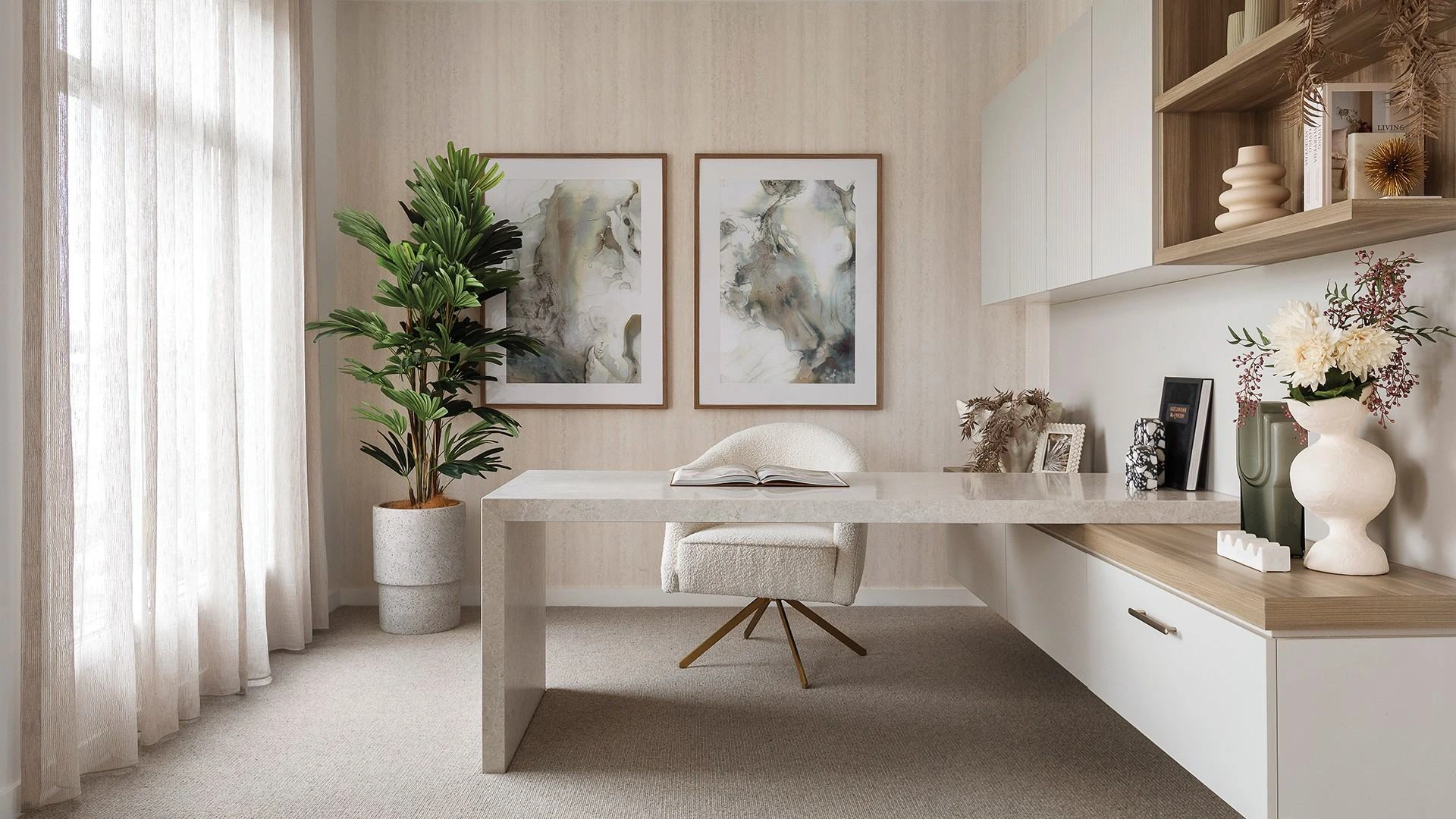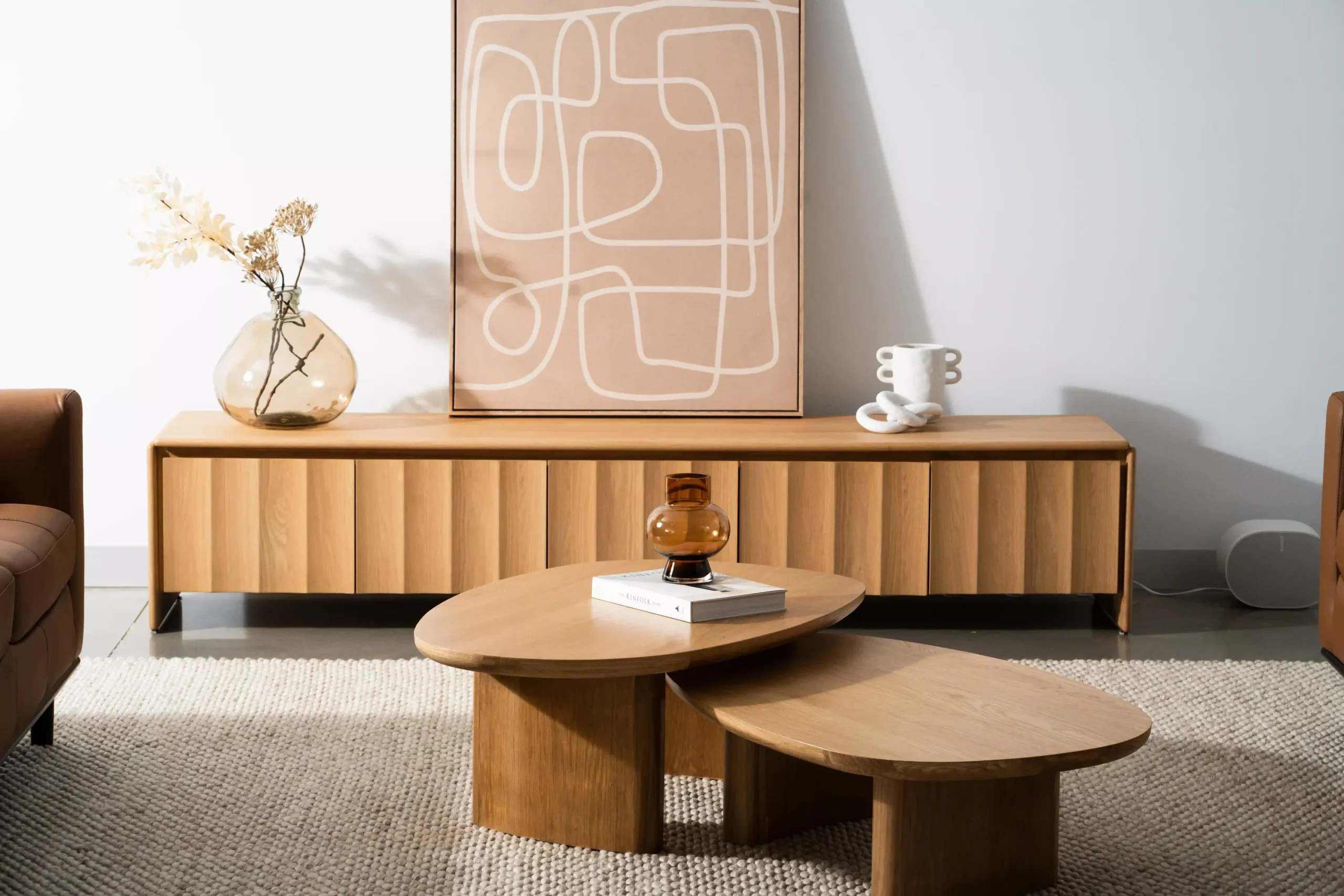
When it comes to home storage solutions in Sydney, two of the most popular choices are timber shelving and built-in cabinets. Both options offer distinct benefits in terms of design, practicality, and cost — but they serve very different purposes depending on your space and lifestyle. As interior trends continue to favour natural materials and open layouts, timber shelving in Sydney has seen a noticeable rise in demand, especially in kitchens and living areas.
Meanwhile, built-in cabinets remain a reliable staple for those prioritising storage capacity and a seamless look. In this article, we’ll explore how each option compares in terms of aesthetics, functionality, cost, and long-term value, so you can make the most informed decision for your next renovation or storage upgrade.
Why Sydneysiders Love Timber Shelving in Sydney
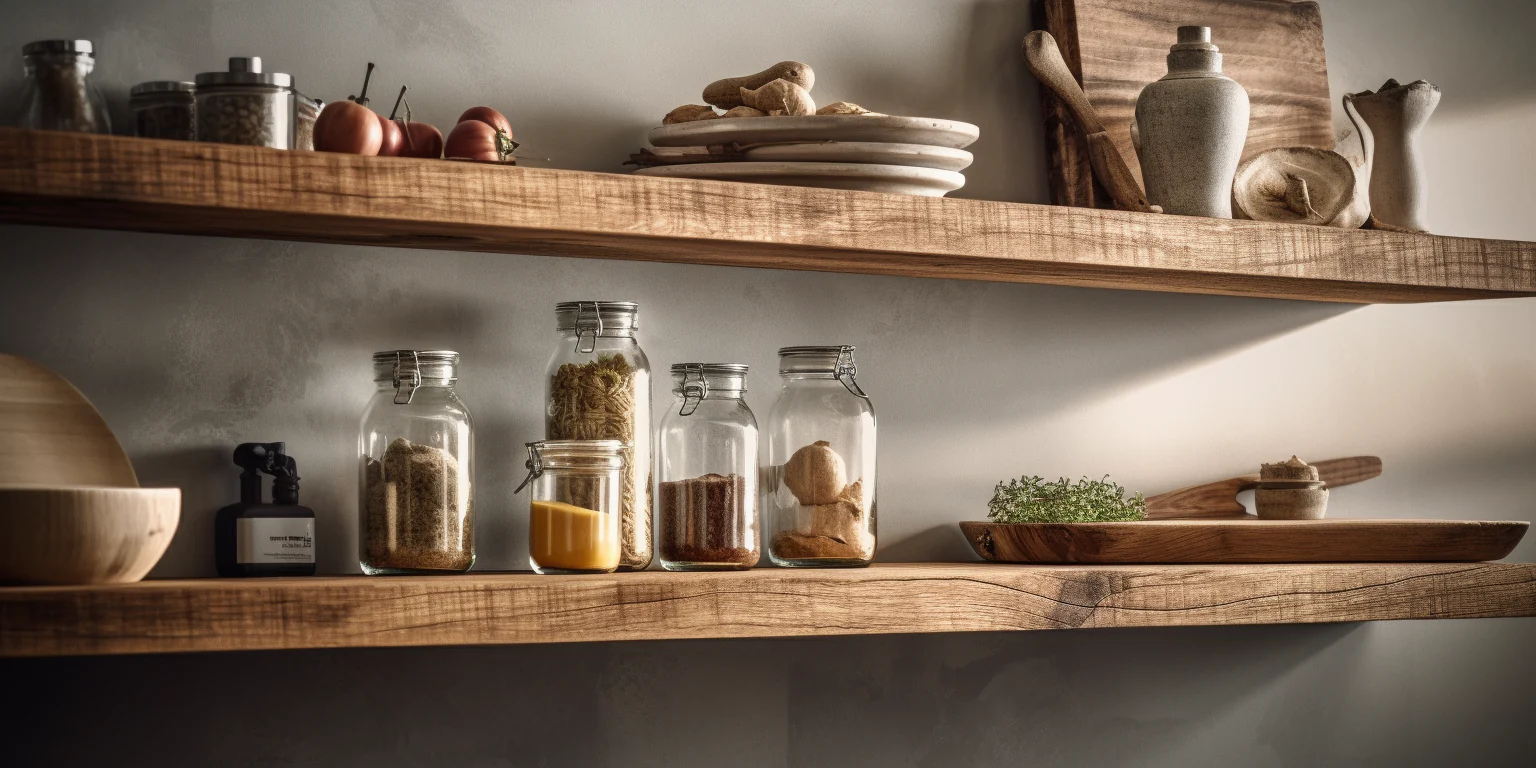
Timber Shelving in Sydney has become a hot design trend. It adds a warm, human touch that cool metal or plastic simply can’t match. Picture a crisp white kitchen wall with a couple of polished oak shelves holding your prettiest plates and a small green plant; the room instantly feels cozier. In fact, a Sydney design blog notes that 2026 interiors lean into “warm woods, stones and woven fabrics” to reflect Australia’s landscape. Shelving made from local timbers (like Tasmanian oak or blackbutt) plays right into that aesthetic.
Open shelves aren’t just pretty, they’re practical. You can grab everyday items at eye level without rummaging behind doors. Open shelving even encourages you to declutter, since only your favorite mugs or jars make the cut on display. Open shelves keep everyday items within reach. They’re also budget-friendly: installing shelves is often simpler and cheaper. In Sydney, stock timber shelving might cost $150–$400 per metre, whereas custom-built cabinets start around $500/m. For example, even a small Balmain apartment can be brightened by a single wood shelf — timber shelving in Sydney helps bring the outdoors in and makes the space feel larger.
Shelves make a space feel more open and airy. They also highlight feature walls (exposed brick or color) because nothing is blocking them. In a compact flat, this can trick the eye into thinking there’s more room. Plus, by displaying only your favorite items – say, neat stacks of dishes or decorative jars – you automatically keep the rest in check (a sly decluttering hack). Of course, there are trade-offs: open shelves need regular dusting and grease-wiping, and everything on display must look good, or the space feels messy.
Why Built-In Cabinets Remain a Staple
Built-in cabinets are the classic choice – think wall-to-wall cupboards, fitted wardrobes and shaker-style kitchen fronts all custom-made to your home. The biggest bonus? Clutter vanishes behind closed doors. No dishes on the counter, no spilled cereal on the floor – just a sleek, tidy look. As The Spruce notes, built-in shelving “enhance any living room with both style and functionality,” since you can include open shelves and hidden cabinets to suit your decor. In Sydney kitchens, it’s now common to hide appliances behind wood panels or use fluted cabinet fronts with subtle lighting – turning storage itself into an architectural feature.
Custom cabinets also make very efficient use of space. For example, adding a full-height wall of cupboards in a 50 m² apartment can dramatically increase storage without looking bulky. Built-in units can snake around odd corners, under stairs or across window walls to use every spare inch. One Sydney renovator turned a tiny flat into an organized haven by tailoring cabinets exactly to each nook. The result is maximum space for dishes, pantry goods or clothes, and nothing awkward wedged out of sight.
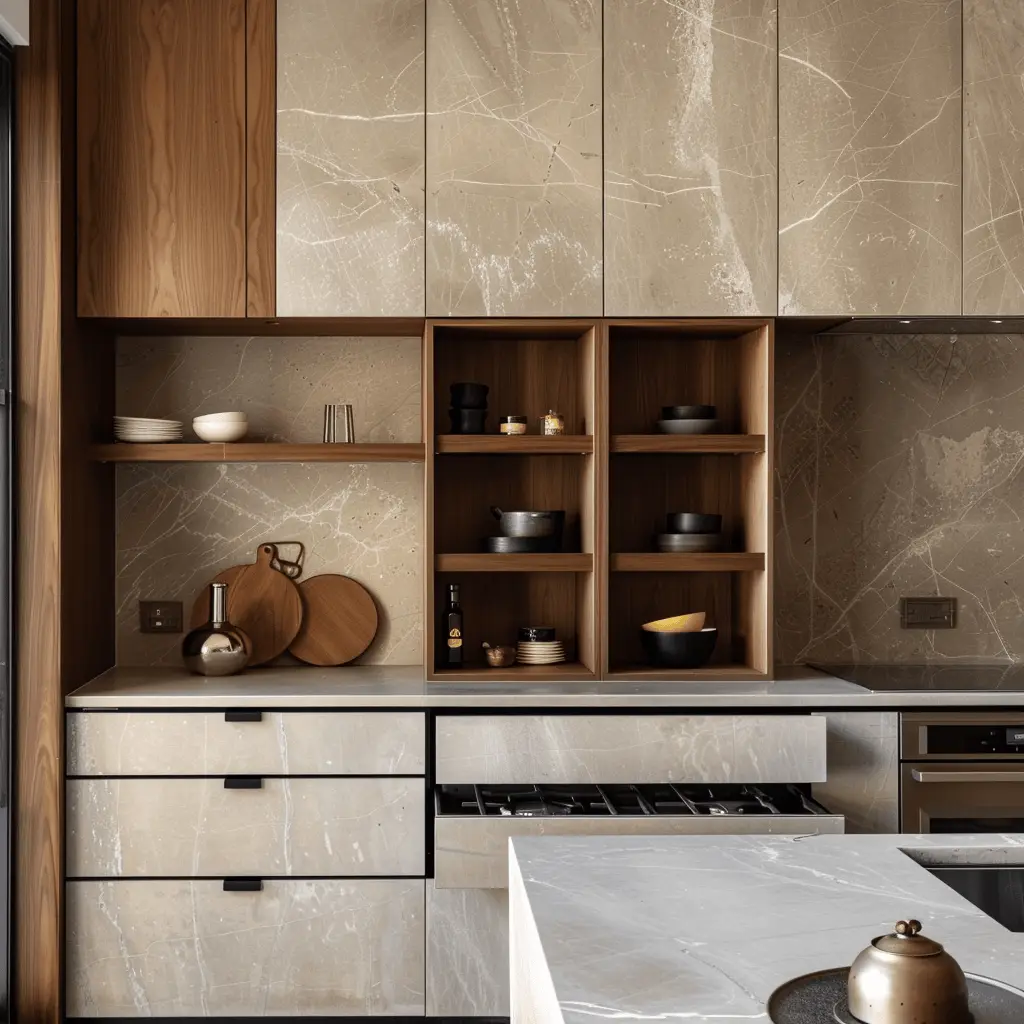
illustrating classic storage design.
A bonus of well-made cabinets is their durability and long-term value. Solid timber joinery, done right, can last decades without sagging or falling apart. Many Sydney architects say timber cabinetry is “sustainable and smells nice,” and it spares you the “excess” of disposable furniture. In practice, this means your kitchen or bedroom cabinets are an investment – they age gracefully and can even boost resale value. Yes, the upfront cost is higher (often 30–50% more than flat-pack solutions), but you get premium materials and a custom fit made for your exact space.
For the eco-conscious, sustainably managed Australian timber is a surprisingly green choice. Official Aussie forestry guidelines note that well-managed native forests and certified wood products have a much smaller carbon footprint than metal or plastic, as outlined in Australia’s approach to sustainable forest management in Australia. Local timbers like Tasmanian oak or blackbutt actually tie a room to our natural landscape. A wood shelf or cabinet often becomes a warm focal point that softens Sydney’s concrete-and-glass aesthetic, giving your home that calm, “lived-in” feel.
How They Stack Up: A Quick Comparison
| Feature | Timber Shelving | Built-In Cabinets |
|---|---|---|
| Visual Style | Airy and open. Floating wood shelves showcase wall finishes (tiles, brick, paint) and display your decor. | Unified and polished. Custom panels can camouflage appliances or add details (fluting, inset handles) for a seamless look. |
| Storage | Limited by shelf size. Good for everyday items and décor; needs separate storage for extras. | Maximises every inch. Floor-to-ceiling cupboards and corner units hold far more (dishes, pantry items, clothes). |
| Accessibility | Items are visible and at arm’s reach. Great for frequently used items. | Protected behind doors. Contents stay dust-free, but require opening drawers or doors. |
| Cost | Generally lower. Quick to install or DIY for less. | Higher. Custom cabinets take longer to build and fit. |
| Maintenance | Requires regular cleaning (dust, grease). Visible clutter means neat styling is a must. | Easier to keep tidy. Just wipe doors; quality timber resists wear. |
| Flexibility | Highly flexible. Shelves can be added, moved or repurposed easily. | Permanent fixture. Once built-in, they’re not coming off the wall – not ideal if you move. |
| Durability | Depends on quality. Good timber lasts, but lightweight shelves may sag. | Built to last. High-end timber cabinetry can serve you 20+ years. |
| Trendiness | Very on-trend for modern, Scandinavian or boho-Australian looks. | A timeless choice. Also trendy now with natural wood finishes to soften minimalist interiors. |
As this table shows, open shelves and cabinets each have their place. Timber shelving creates a casual, lived-in vibe, while built-ins deliver maximum storage and a sleek finish. It often comes down to your lifestyle and personal taste.
Here’s a quick recap of the main pros and cons of each:
- Timber Shelving – Pros: Airy, modern feel; everyday items are easy to find; generally cheaper and easier to install; great for displaying decor and plants.
- Timber Shelving – Cons: Less storage than a cabinet; requires regular dusting and keeps clutter visible; you must style it carefully so it doesn’t look messy.
- Built-In Cabinets – Pros: Maximises space (uses full height and corners); hides clutter behind doors for a clean look; fully custom-fit to your walls; solid timber construction lasts decades.
- Built-In Cabinets – Cons: Higher upfront cost (often 30–50% more); permanent (you can’t move them if you relocate); longer installation time (carpentry needed).
Making the Choice: What Suits You?
So, which is better for you? It depends on your priorities and personality. If you crave that airy, laid-back look and love styling your favorite pieces, timber shelving in Sydney might be your style. It’s fantastic in kitchens or living areas when you want everything in reach and don’t mind a bit of tidying. It’s also great for tight budgets or renters: adding shelves is a weekend project and totally reversible.
On the flip side, if you need maximal storage and want to keep everything hidden away, built-in cabinets could win out. They use every nook and cranny and keep surfaces clear. They do cost more upfront, so they’re ideal for long-term homes (and they can raise your home’s appeal). One clever strategy many Sydney designers use is to mix both: for example, install one wall of sleek cupboards and add a floating shelf or two above the bench. This way you get a bit of both – display space and hidden storage.
Ultimately, go with what fits your lifestyle. Ask yourself: Do you love the idea of displaying artisanal dishware and plants? Or do you prefer the calm of closed cupboards? You can always try a compromise – even swapping just one cabinet door for a shelf to test the look.
Call to Action: We’d love to hear from you! Which side are you on – open timber shelves or classic built-ins? Share your thoughts or photos in the comments below. And if you’re planning a reno, consider chatting with a Sydney joiner or interior stylist to tailor the perfect solution for your space.
Frequently Asked Questions
Is Timber Shelving in Sydney more affordable than built-in cabinets?
Yes. Timber shelves (or ready-made kits) are usually cheaper to buy and install. Custom built-in cabinets in Sydney often cost 30–50% more upfront, though they add long-term value.
Can open timber shelves save space in small apartments?
Definitely. Open shelves make a room feel larger and use vertical wall space without eating into the floor. Just remember that they hold less overall than cabinets, so pair them with some hidden storage if needed.
What maintenance do timber shelves require?
Regular dusting and occasional wipe-down (especially in kitchens to remove grease). Avoid cramming too much on them – leave breathing room between items for easier cleaning and a neat look.
Are built-in cabinets suitable for renters or those who move often?
Usually not, since built-ins are permanent and custom-fitted to a home. If you move frequently or rent, freestanding furniture or modular shelving might be a better choice.
How do I decide between timber shelving and cabinets for my renovation?
Think about your style, needs and budget. If you want a modern, airy look and can sacrifice some storage, shelving is a great pick. If you need maximum storage and a clean finish, high-quality cabinets are worth the investment. And remember – you can always combine both to get the best of both worlds!