A roof is one of the most important structural elements of any home, acting as the first line of defence against weather and environmental stress. In Sydney, roofs are regularly exposed to strong sunlight, seasonal storms, heavy rain, and, in some regions, bushfire conditions. If a roof is not properly designed or reinforced, these factors can lead to leaks, structural damage, and long-term safety risks for occupants.
This is why structural roofing in Sydney plays such a vital role in modern home construction and renovation. By using engineered materials, secure framing, and compliance-driven installation methods, structural roofing strengthens a home’s overall stability and protection. Understanding how structural roofing works — and why it is essential in local conditions — helps homeowners make informed decisions that support safety, durability, and peace of mind.
Understanding Structural Roofing in Sydney
“Structural roofing” might sound like jargon, but it simply means a roof built extra-strong. Think of it as a reinforced umbrella: sheets and tiles nailed to a skeleton of beams and trusses. In practice, it uses robust materials (steel frames, engineered timber or heavy tiles) and plenty of ties. Selecting the right framing material ensures your roof remains structurally sound. For example, light-gauge steel rafters are becoming popular because they won’t warp, rot or get eaten by termites. In short, structural roofing in Sydney is your home’s fortress roof, tailored to local weather.
Why Structural Roofing in Sydney Matters for Home Safety
You might wonder: how does a tough roof actually protect you? Consider past storms – even outside Sydney. After Cyclone Debbie, homes built to modern standards stayed standing, while many old roofs flew away due to poor fixings. This lesson holds for us. A strong roof frame – properly braced and tied down – keeps everything in place.
Sydney homes are subject to seasonal wild storms and coastal winds, so codes like AS/NZS 1170.2 (wind loads) and AS 4055 (wind zones) ensure roofs use enough screws and clips. Likewise, in bushfire-prone areas AS 3959 mandates fire-resistant roofing and sealed vents. In effect, structural roofing in Sydney means your roof is engineered to withstand the worst: it anchors tightly in high winds and won’t ignite when embers fly. This prevents leaks, collapse or collapse, keeping your family and belongings safe even when weather hits hard.

Materials & Design: Roofs Built for Sydney’s Climate
Many Sydney roofs now use high-strength materials designed to handle local weather conditions. A popular example is corrugated steel panels (such as Colorbond). The ridged corrugation adds bending strength, while quality steel is non-combustible and resistant to termites. In practical terms, a steel roof won’t rot, warp, or catch fire. Its smooth surface also allows rain and debris to run off easily, helping prevent leaks and mould. Studies show reflective metal roofing can even reduce summer cooling costs by up to 25%, making it both a safety and comfort upgrade.
Roof shape and fixings also play a major role in performance. A hipped roof, with slopes on all sides, is more aerodynamic than a gable roof, allowing wind to pass over rather than lift the structure. Roof valleys and gutters can be designed to minimise debris build-up, which is especially important in ember-prone areas. For terracotta or concrete tile roofs, the weight of the tiles provides natural insulation and stability. When clipped and sealed correctly, tiled roofs can span large areas while remaining storm-resistant. The table below outlines how key materials and design elements contribute to the strength and safety of structural roofing in Sydney homes.
Key Materials and Design Elements in Structural Roofing in Sydney
| Roofing Element | Material or Design Type | Safety & Performance Benefit |
|---|---|---|
| Roofing Material | Steel sheets or concrete/terracotta tiles | Protects against rain, heat, debris, and fire exposure |
| Roof Framing | Engineered timber or steel trusses | Prevents sagging and improves overall structural stability |
| Roof Shape | Hipped or low-profile designs | Reduces wind pressure and risk of roof lift |
| Fixings & Tie-Downs | Wind clips, straps, and galvanised fasteners | Keeps roof securely anchored during storms |
| Sarking & Sealing | Reflective sarking and sealed joints | Improves moisture control and thermal efficiency |
Framing and Fixings: The Roof’s Hidden Skeleton
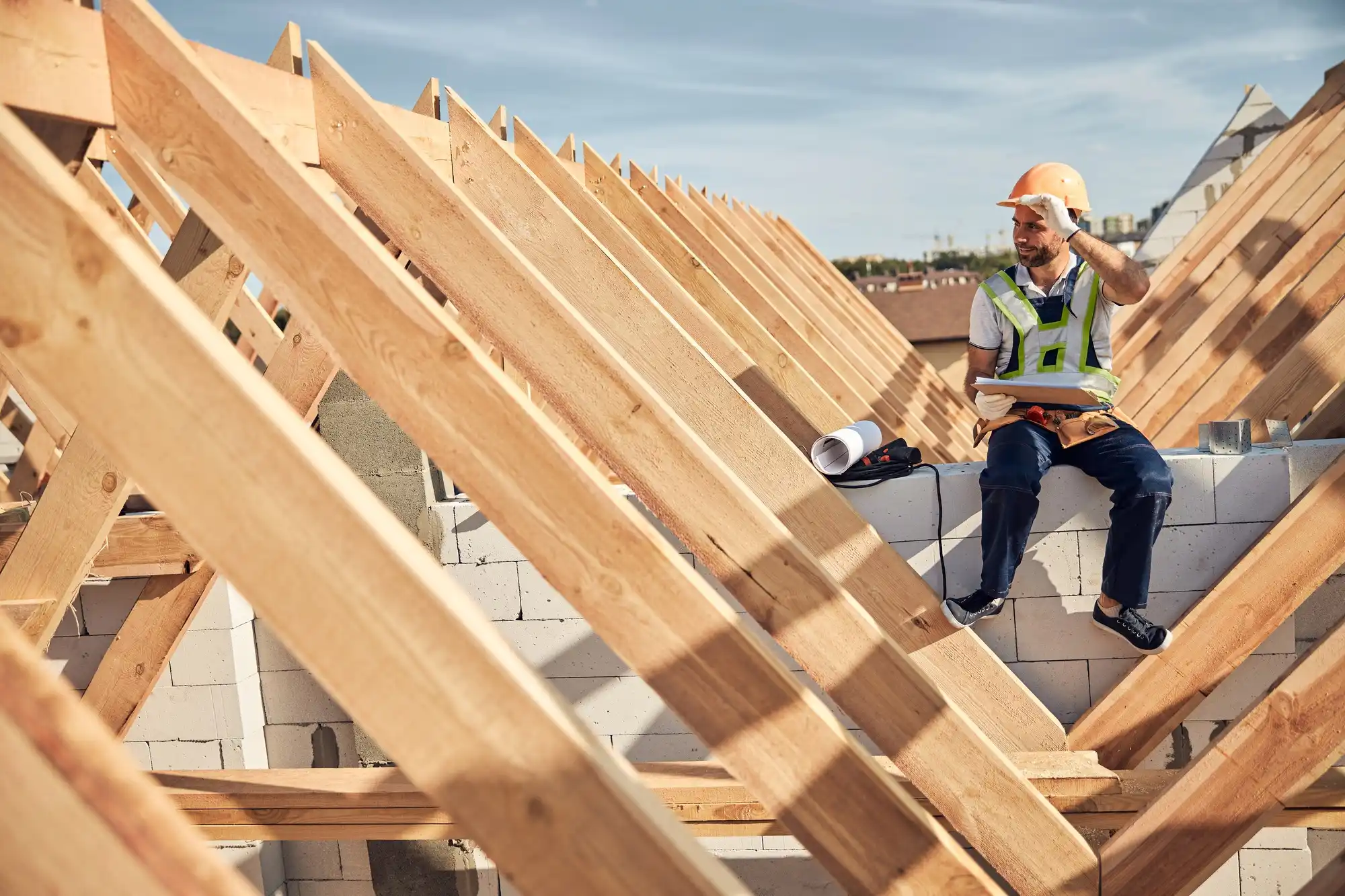
Beneath every roof is a sturdy frame that makes it truly structural. Think of timber or steel trusses as the roof’s backbone. In Sydney construction, builders rely on well-treated timber or engineered steel beams that won’t sag and can handle heavy loads. These frames are precisely cut and installed to brace each other, creating a rigid system that distributes weight evenly across the home.Just as important are the fixings that hold everything together.
Hurricane straps, wind clips, and galvanised fasteners secure the roof frame to the walls below. After Cyclone Debbie, investigations revealed that weak roof-to-wall tie-downs were a leading cause of roof failures. In contrast, a properly built system keeps trusses and rafters locked together, allowing the roof to move as one solid unit under pressure. This is the core of structural roofing in Sydney — every component, from framing to fasteners, works together to deliver long-term safety and protection.
Compliance and Maintenance: Keeping Roofs Up to Scratch
Of course, a structural roof only works if it’s built right and maintained. The good news is Australian standards enforce it. For example, AS 3959 demands sealed roof vents and non-combustible materials in bushfire zones. Wind standards (AS/NZS 1170.2 and AS 4055) require engineers to design roofs for the local wind classification. You can even consult the National Construction Code (NCC) for exact requirements on cladding, framing and fixings.
In practice, this means a licensed builder must use the right gauge steel, mortar tiles properly and nail them all in place – or risk not passing inspection. For peace of mind, SafeWork NSW guidelines literally say the roof structure must be “complete and braced” before any work begins, highlighting that any cutting-corner could jeopardize the whole system.
Maintenance is the final key. Even the strongest roof needs care. Here are some best practices:
- Regular inspections: After big rains or winds, check for loose panels, rust or cracked tiles. Addressing small issues early stops bigger failures.
- Keep gutters clear: Blocked gutters can force water under tiles or sheeting, causing rot or leaks. Ensure eaves and downpipes are debris-free.
- Secure fittings: Look for popped nails or loose clips after a storm. Refasten anything that’s shifted.
- Professional checks: Every few years, have a qualified roofer or inspector review the trusses and connections. They’ll spot issues you might miss, like soft wood or hidden corrosion.
Following these steps means your structural roofing in Sydney stays effective year after year.
Conclusion
In the end, structural roofing in Sydney is all about peace of mind. It’s not a flashy topic, but it’s what lets you sleep safely when the wind howls outside. By choosing the right materials, frames and construction (and keeping up with maintenance!), you turn an ordinary roof into a fortress for your home. So next time a storm brews, remember: a good roof isn’t just an expense, it’s an investment in safety. Perhaps have an expert inspect your roof, or pass this info to someone building a home. After all, in Sydney’s climate, a strong roof means a protected family – and that’s priceless.
Call to Action: Feel safer now? Share this with friends or chat with a builder about your roof’s strength. When your roof’s built tough, you can weather any storm with confidence!
FAQs:
What is structural roofing in Sydney?
It’s a roof built with especially strong materials and bracing for Sydney’s climate. This kind of roofing uses reinforced frames and sturdy panels so the roof stays securely attached and watertight during storms.
How does structural roofing improve home safety?
Strong framing and fixings anchor the roof in high winds, and using fire-resistant, termite-proof materials adds protection. Structural roofing essentially turns your roof into a fortress for your home.
Which roofing materials are best for Sydney’s weather?
Steel roofs and concrete/terracotta tiles are popular. Steel (often Colorbond) is non-combustible and sheds rain well. Tiles offer great insulation and can last decades. Both can be part of a structural system.
What maintenance does a structural roof need?
Even a strong roof needs care. Inspect for loose panels, rust or damaged tiles. Clear gutters to prevent water backups. Consider a pro inspection every few years to ensure it stays safe.
Are there specific building codes for strong roofs in Australia?
Yes. AS 3959 mandates sealed vents and non-combustible roofing in bushfire areas. Wind codes (AS/NZS 1170.2, AS 4055) require stronger fixings in high-wind zones. Meeting these ensures a properly-built roof.
How long should a structural roof last?
A well-built roof should last decades. Steel frames often exceed 50 years, and quality tile roofs can endure 30–50 years with proper care. Regular maintenance helps maximize lifespan.